 Our Location
 (843) 903-3300
 (843) 896-6558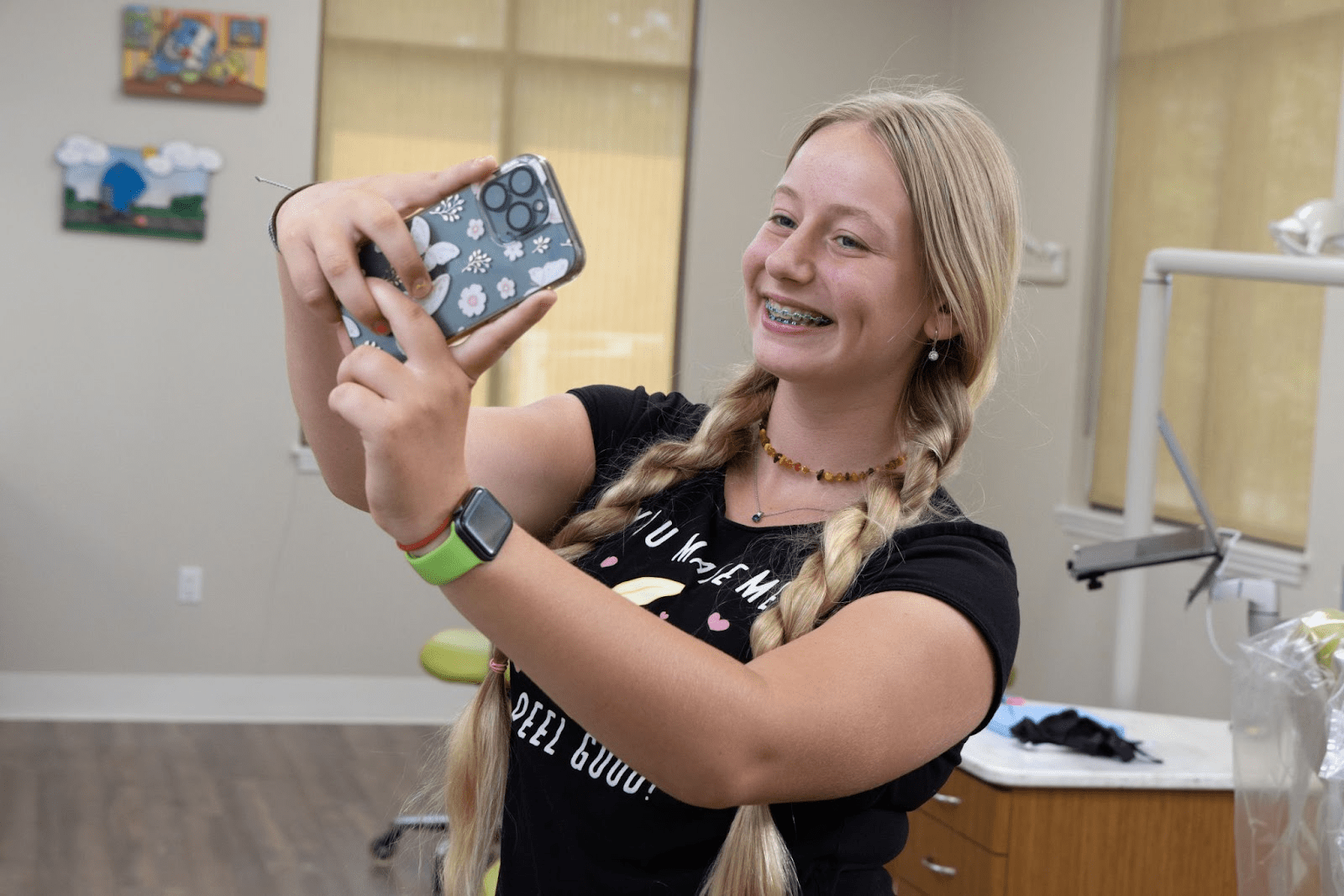
Traditional braces vs. Invisalign comes down to what fits your bite and your day. Orthodontist Dr. Juan examines how your teeth move, discusses your goals, and recommends a plan at Seabreeze Orthodontics that accommodates your schedule, including runs in Carolina Forest near the CCU campus, shifts near the Myrtle Beach Boardwalk, and weekends in Conway. Same-day starts make it easy to begin whenever you’re ready.
How Dr. Juan Decides What Will Move Your Teeth Best
Care starts with a careful look at how your teeth and bite work together. Traditional braces and Invisalign both move teeth with gentle, planned forces, yet each does it in a different way that can matter for your case.
Braces
Braces use small brackets and a flexible archwire to guide teeth. This provides steady control when multiple tasks must be performed simultaneously, such as rotation, leveling, and root positioning. Deep bites, open bites, and heavier crowding often benefit from that constant guidance.
Invisalign
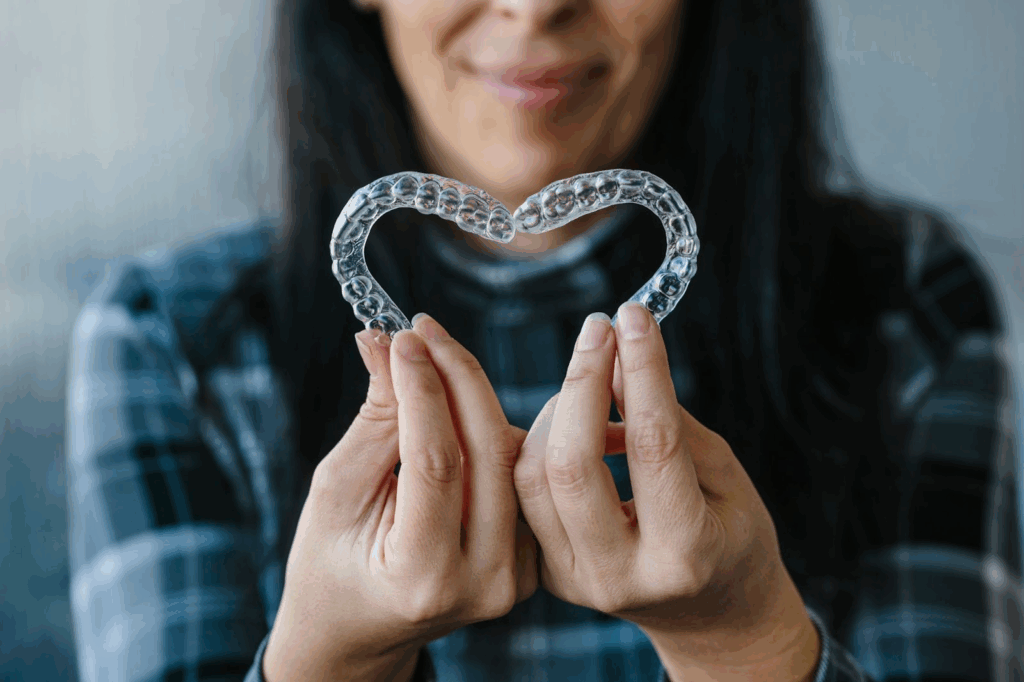
Invisalign relies on a series of custom trays. Each tray makes a small, specific change, and attachments or elastic cutouts can add grip or help adjust the bite. Aligners can be very effective for spacing, mild to moderate rotations, and many bite corrections when planned correctly.
If your canines are turned, your lower front teeth are crowded, and your bite is deep, braces may give Dr. Juan the most precise control early on. If your primary goals are closing spaces and smoothing mild rotations with a comfortable bite, Invisalign can be a great fit. Many patients land between those examples, so Dr. Juan reviews your photos and scans with you, then recommends the option that keeps movement predictable and your routine manageable.
Traditional Braces Vs. Invisalign: What Daily Life Actually Feels Like
At Seabreeze Orthodontics, we know our patients don’t live in a lab, nor do we. So your schedule may include working at Market Common, then carpooling along Carolina Forest Boulevard, or even taking classes at Coastal Carolina University in Conway, and spending your weekends on the Myrtle Beach Boardwalk. These daily life details can tip the balance.
- Comfort: Both options move teeth, so mild soreness is normal during the first days of getting your braces or when you switch to a new aligner. Braces can create temporary lip or cheek irritation until the tissues adapt. Aligners feel smooth, but they must be worn 20 to 22 hours per day to be effective.
- Speech: Most patients adjust within a few days regardless of the option. Slight lisping with the first aligner set usually fades quickly.
- Eating: Braces require avoiding sticky, hard foods and cutting crunchy items into small pieces. Aligners come out for meals, which keeps your menu broader; however, you need a sink or travel kit to brush before the trays go back in.
- Oral hygiene: Braces add more surfaces to clean. A soft brush, floss threader, and small interdental brush make it manageable. Aligners make brushing simpler since the trays are removable. You still need to clean aligners daily with a gentle soap or approved crystals.
Traditional Braces Vs. Invisalign In Everyday Life
Predictable progress beats promises of speed. Teeth move at a rate your biology allows, so the best choice is the one that keeps movement controlled, protects roots and gums, and fits your day in Myrtle Beach, Carolina Forest, and Conway.
Braces
Fixed brackets and archwires give three-dimensional control. When roots need precise torque, when arches need coordination with elastics, or when several movements must happen at the same time, braces give Dr. Juan reliable levers to guide each step. Nothing to track or remember, just show up for visits and follow the food and brushing instructions.
Invisalign
Custom trays are designed digitally, allowing each aligner to make a small, specific change. Tooth-colored attachments work like handles to grip teeth, and elastic cutouts can help correct certain overbites and underbites. Refinements are common near the finish; these are short, additional sets of trays that fine-tune the last details and are part of doing aligner treatment correctly.
How That Plays Out Day To Day
Students at Carolina Forest High School who switch between classes, sports, and band often appreciate the flexibility to remove their aligners for a performance or to wear a mouthguard.
Service and hospitality pros near the Myrtle Beach Boardwalk appreciate the low profile of aligners during long shifts, as long as wear time stays at 20 to 22 hours.
Patients who prefer a set routine tend to appreciate that braces continue to work without requiring tracking trays or timers. Either path can deliver excellent results when the plan is right. Choose the option that matches your bite needs and the level of daily responsibility you want to take on.
Bite Problems And Which Tool Handles Them Well
A quick overview helps you line up your case with the right tool.
- Crowding and spacing: Both options are effective in treating mild to moderate cases. Severe crowding that needs careful root positioning often favors braces or a hybrid plan.
- Overbite and overjet: Both can be improved with elastics. Braces still offer the most direct control in significant cases.
- Open bite: Aligners can be very effective when the open bite stems from front tooth eruption patterns. Skeletal open bites may require braces or combined approaches and, at times, surgery.
- Crossbite: Either can correct certain dental crossbites. More complex, multi-tooth crossbites often lean toward braces.
This mapping is not absolute. Dr. Juan sometimes recommends a hybrid plan, for example, starting with aligners and then switching to short-term braces to achieve precise root movement, or vice versa.

So, Which Should You Choose?
Braces provide fixed, all-day guidance for challenging tooth and bite changes. Treatment stays on track without tracking wear time. Invisalign offers near-invisible trays and meal-time freedom, with strong outcomes when wear time is consistent. Comfort and speech usually settle quickly for both options. Dr. Juan selects the system that matches your goals, blends methods when useful, and sequences movements to protect roots, gums, and long-term stability.
Schedule a consult at Seabreeze Orthodontics in our Myrtle Beach office. We will take photos and a 3D scan, review your bite together, and outline a clear, side-by-side plan so you can choose with confidence.