 Our Location
 (843) 903-3300
 (843) 896-6558
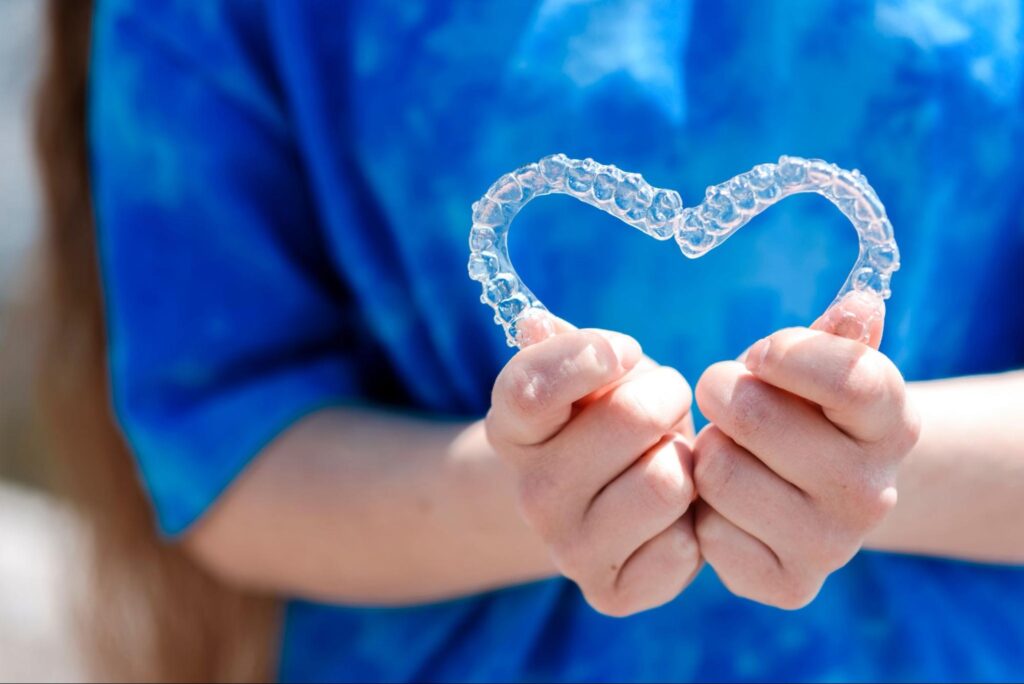
Clear aligners do not look as powerful as they really are. They feel light in your hand, almost like something you could toss in a beach bag on the way to the boardwalk in Myrtle Beach. Yet those thin trays are responsible for moving teeth with incredible precision. When you bring your child to Seabreeze Orthodontics, you want to understand how Invisalign technology works so you know what each tray is doing, how long the treatment should take, and what your role is at home.
Dr. Juan treats Invisalign like a tool, not a shortcut. Digital scans, 3D planning, tiny tooth-colored attachments, and carefully timed tray changes all work together behind the scenes. When you know that there is a real blueprint under those clear aligners, it becomes easier to spot good habits, notice when something feels off, and help your child stay on track during school, sports, and everything in between.
How Invisalign Technology Works Behind Each Tray Change
When you see “1 of 20” printed on an Invisalign packet, you are looking at just one step in a larger plan Dr. Juan has created for your child or for you. Each tray is molded to where the teeth are supposed to be at that stage, not where they started. Understanding how Invisalign technology works behind each tray change helps you know what “normal” progress feels like and why steady wear matters so much.
From your side, it looks simple; you can wear one set of trays, then move on to the next. Behind the scenes, three big details shift from aligner to aligner:
- The inside of the tray is shaped a little closer to the next tooth position
- Pressure points along the tray edges and surfaces adjust to redirect force
- The way the plastic grabs any tooth-colored attachments changes to match that stage
Those tiny design tweaks are what create the gentle pressure you feel during the first day or two with a fresh tray. As the teeth respond and settle into that new position, the tray starts to feel more relaxed, which is often a sign you are ready for the next step in the sequence.
What Really Happens After Your 3D Scan
Once we finish your 3D scan, those images turn into a digital model of your teeth that we can rotate and zoom in on from every angle. You see the crowding, spacing, and bite right on the screen in our office. That model is not just for show. It becomes the starting point for how Invisalign technology works for your case, including how the upper and lower teeth meet when you chew and how much space we have to work with.
From there, Invisalign planning software lets Dr. Juan test different movement sequences on that model. Teeth shift along a timeline, one small step at a time. We might open space in the back first, then start to rotate front teeth, or work on the bite, before fine-tuning the smile line. The software suggests a path, and we adjust it to match your goals, your child’s age and growth, and the way the jaws fit together. Attachments, the number of trays, and any planned elastics are all decided during this stage.
Once the movements and timing look right, we approve the plan. Invisalign then uses that digital timeline to mold each aligner to a future position of the teeth. That is how Invisalign technology works in a practical way. The scan you saw on the screen becomes a stack of trays in your hand, and every new set reflects one more step along the path Dr. Juan designed at that planning visit.
Why Those Tiny Invisalign Attachments Matter More Than They Look
Those little tooth-colored “bumps” that come with Invisalign can catch you off guard at first. They are called attachments, and they give the trays something to grip so teeth can move in more complex ways than clear plastic alone can manage. If you have ever wondered how Invisalign technology works for more complex movements, like rotations or lifting a tooth that sits too low, attachments are usually part of the answer.
Each attachment is placed in a planned shape and spot that matches your 3D Invisalign plan. A rectangular one might help tip a tooth, a more rounded one might help with rotation, and a vertical shape can help adjust how teeth meet when you bite down. The tray snaps over those shapes and uses them as handles, allowing Dr. Juan to ask the aligners to do more than just simple sliding.
SmartTrack Material And The Way Teeth Actually Move
SmartTrack is the flexible plastic that gives Invisalign trays their “snap” and steady pressure. It is part of how Invisalign technology works so precisely, because the material holds its shape while still feeling comfortable during long wear.
Here is what SmartTrack does for you or your child:
- Hugs each tooth closely so pressure is spread out instead of concentrated in one sharp spot
- Works with attachments so trays can rotate, tip, or lift teeth more predictably
- Bounces back after removal, so frequent in-and-out for meals does not distort the fit
- Applies a gentle, consistent force that encourages teeth to move gradually from tray to tray
If a new aligner feels snug for a day or two, then settles in, that pattern usually means the SmartTrack material is doing its job and the teeth are catching up to the next planned position.
Common Invisalign Technology Questions From Parents
How many hours a day should Invisalign trays be worn?
Most patients need 20 to 22 hours per day for Invisalign technology to work as planned. Trays come out only for eating, drinking anything besides water, and brushing.
What if a tray feels loose after a few days?
That usually means the teeth have moved into that stage. As long as the tray still fits snugly and is not warped, you can stay on the schedule Dr. Juan gave you.
What if my child loses an Invisalign tray?
Call our office before guessing. Depending on the case, Dr. Juan may recommend moving ahead to the next tray or going back to the previous one for a short time.
Does Invisalign really work for teens, or is it better for adults?
Invisalign technology works well for many teens who can keep trays in consistently. For more complex bites or growth patterns, braces may still be the better tool.
Are Invisalign and mail-order aligners the same thing?
No. Invisalign treatment with Dr. Juan includes in-person exams, scans, X-rays, and monitoring, while mail-order aligners usually do not involve regular orthodontic oversight.
Will teeth move back after Invisalign?
Teeth can drift over time, which is why retainers matter. Wearing retainers as directed helps keep the Invisalign result stable.

Talk With Dr. Juan About Invisalign For Your Family
Questions about how this would work for your child’s crowding, overbite, or spacing are completely normal. A one-on-one visit gives you a chance to see your 3D scan on the screen, hear how Invisalign technology works for your case, and walk out with a clear plan that fits school, sports, and family routines.
If you are curious about starting, reach out to Seabreeze Orthodontics to schedule a consultation with Dr. Juan in our Myrtle Beach office. Call our office and take the next step toward treatment that matches your family’s goals and pace.